

Cart
0
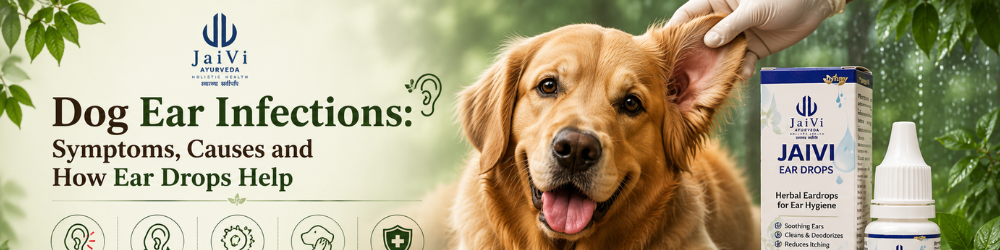
If your dog has suddenly started scratching its ears, shaking its head, or you notice an unpleasant smell coming from one or both ears, it's a sign that something isn't right. Ear problems are among the most common reasons dogs visit the veterinarian, and acting early can help prevent discomfort from getting worse.
Understanding the early warning signs and knowing when to start supportive ear care can make a significant difference. In this guide, we'll discuss the causes of ear infections, the symptoms to watch for, and how proper ear care, including the use of dog ear infection treatment, can help maintain your dog's ear health.
Why Dogs Are Prone to Ear Problems
A dog's ear canal is shaped differently from a human's. Instead of being mostly straight, it has an L-shaped structure that can trap moisture, dirt, wax, and debris more easily.
This warm, enclosed environment can allow bacteria, yeast, or parasites to thrive if the ears aren't kept clean.
Certain dogs are even more prone to ear issues, particularly those with long, floppy ears, heavy hair growth inside the ears, or dogs that swim frequently.
Common Signs of an Ear Infection
Recognising the early signs allows you to seek treatment before the condition becomes more serious.
Some common dog ear infection symptoms include:
-
Frequent head shaking
-
Constant scratching at the ears
-
Redness inside the ear
-
Swelling around the ear canal
-
Dark brown or yellow discharge
-
Unpleasant odour
-
Sensitivity when the ears are touched
-
Rubbing ears against furniture or the floor
Some dogs may also become irritable because ear infections can be uncomfortable.
What Causes Ear Infections in Dogs?
Several factors may contribute to ear problems.
Moisture Build-Up
Dogs that swim regularly or are bathed frequently may retain moisture inside their ears. Excess moisture creates an environment where microorganisms can multiply.
Allergies
Food allergies and environmental allergies often cause inflammation, making the ears more vulnerable to irritation and secondary infections.
Excess Ear Wax
Some dogs naturally produce more ear wax than others. When wax accumulates, it may trap dirt and microorganisms.
Ear Mites
Although less common in adult dogs than in cats, dog ear mites can still cause irritation, itching, and inflammation, especially in puppies or dogs exposed to infected animals.
Breed Predisposition
Dogs with floppy ears, such as Cocker Spaniels, Basset Hounds, Labradors, and Golden Retrievers, may experience ear issues more frequently because air circulation inside the ear canal is reduced.
When Is It Safe to Manage Ear Care at Home?
Mild ear irritation or wax build-up may be managed with regular cleaning and supportive ear care.
However, home care is only appropriate if:
-
Your dog appears otherwise healthy.
-
There is no severe swelling.
-
There is no bleeding.
-
Your dog is not showing signs of severe pain.
-
There is no loss of balance.
If you're ever unsure, it's always safest to consult your veterinarian.
When Should You Visit a Veterinarian?
Professional veterinary care is important if your dog experiences:
-
Thick pus-like discharge
-
Bleeding from the ear
-
Severe swelling
-
Persistent bad smell
-
Constant crying when the ear is touched
-
Loss of balance
-
Walking in circles
-
Hearing difficulties
-
Symptoms that continue despite home care
These signs may indicate a more serious infection that requires medical treatment.
How Ear Drops Help Support Ear Health
Proper ear care focuses on maintaining cleanliness and reducing the build-up of wax and debris.
Quality ear drops for dogs help:
-
Clean the ear canal
-
Loosen accumulated wax
-
Remove dirt and debris
-
Maintain ear hygiene
-
Support overall ear comfort
When used correctly, regular ear cleaning may help reduce the conditions that contribute to recurring ear problems.
It's important to understand that some bacterial or fungal infections require prescription medications from your veterinarian. Supportive ear care products should not replace professional diagnosis when infection is severe.
Natural Ear Care for Dogs
Many pet owners prefer gentle herbal products as part of their dog's regular hygiene routine.
A routine of natural ear cleaning for dogs may help maintain healthy ears by removing excess wax and keeping the ear canal clean without harsh ingredients.
Jaivi Ayurveda's Ear Drops for Dogs are formulated using herbal ingredients to gently support ear hygiene and help maintain clean, healthy ears as part of a regular care routine.
How to Apply Ear Drops Safely
Applying ear drops properly improves their effectiveness and keeps your dog comfortable.
Step 1: Stay Calm
Choose a quiet environment where your dog feels relaxed.
Step 2: Inspect the Ear
Look for excessive redness, bleeding, or swelling. If present, contact your veterinarian before applying any product.
Step 3: Apply the Recommended Amount
Follow the instructions provided on the product label and gently place the recommended number of drops into the ear canal.
Step 4: Massage the Ear Base
Gently massage the base of the ear for 20 to 30 seconds to help distribute the solution.
Step 5: Allow Your Dog to Shake
Your dog will naturally shake its head, helping loosen debris from inside the ear canal.
Step 6: Wipe Away Excess Debris
Use a soft cotton pad or clean cloth to wipe the visible outer ear. Never insert cotton swabs deep into the ear canal.
Tips to Help Prevent Ear Problems
Consistent ear care can reduce the chances of recurring irritation.
Simple preventive habits include:
-
Check your dog's ears every week.
-
Dry the ears after swimming or bathing.
-
Keep excessive hair around the ears trimmed if recommended by your groomer.
-
Clean the ears regularly using a suitable ear care product.
-
Manage allergies with your veterinarian's guidance.
-
Schedule routine veterinary check-ups.
Small preventive steps often help avoid bigger problems later.
Should You Clean Your Dog's Ears Regularly?
Regular ear cleaning is beneficial for many dogs, but the frequency depends on your dog's breed, lifestyle, and ear health.
Dogs with floppy ears, swimmers, and those prone to wax build-up may benefit from more frequent cleaning than dogs with naturally clean ears.
Your veterinarian can recommend an ear care routine that's appropriate for your pet.
Final Thoughts
Ear discomfort can quickly affect your dog's quality of life, but recognising symptoms early and maintaining good ear hygiene can help keep ears healthy and comfortable.
While veterinary care remains essential for severe infections, regular cleaning and supportive products can become an important part of your dog's grooming routine. Jaivi Ayurveda's Ear Drops for Dogs are designed to gently maintain ear cleanliness and support overall ear health as part of regular preventive care.
FAQs
1. How can I tell if my dog has an ear infection?
Common signs include frequent head shaking, scratching at the ears, redness, unpleasant odour, discharge, and sensitivity when the ears are touched. A veterinarian can confirm the underlying cause.
2. Can I use Jaivi Ayurveda Ear Drops for Dogs as part of regular ear cleaning?
Yes. The product is formulated to support routine ear hygiene and help keep your dog's ears clean as part of regular grooming.
3. How often should I clean my dog's ears?
The ideal frequency depends on your dog's breed, activity level, and ear health. Dogs with floppy ears or those that swim frequently may require more regular cleaning.
4. Will ear drops alone treat every ear infection?
No. Some bacterial, fungal, or severe ear infections require prescription medications from a veterinarian. Ear drops intended for hygiene should not replace professional treatment when medical care is needed.
5. Is it safe to use cotton buds inside my dog's ears?
No. Cotton buds can push debris deeper into the ear canal and may damage delicate ear structures. Use only a soft cloth or cotton pad to clean the outer ear.
6. Can I use these ear drops after my dog goes swimming?
Yes. Cleaning the ears after swimming can help remove excess moisture and support healthy ear hygiene.
7. Are certain dog breeds more likely to develop ear infections?
Yes. Dogs with floppy ears, heavy ear hair, narrow ear canals, or those prone to allergies often experience ear problems more frequently.
8. When should I stop home care and visit a veterinarian?
If your dog develops severe pain, bleeding, heavy discharge, swelling, balance problems, or symptoms that do not improve, seek veterinary care as soon as possible.


