

Cart
0
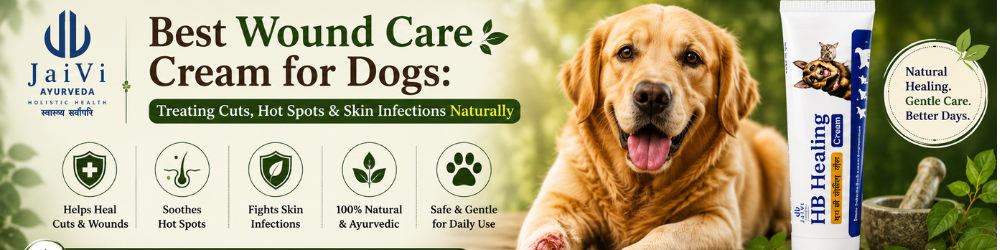
Dogs are naturally curious and active. Whether they're running through parks, playing outdoors, or simply scratching an itchy patch of skin, minor cuts, abrasions, and skin irritations are common. While many small wounds heal on their own with proper care, ignoring them can sometimes lead to infections or prolonged discomfort.
Choosing the right wound care cream for dogs can help keep the affected area clean, soothe irritation, and support the skin's natural healing process. In this guide, we'll discuss the common causes of wounds and skin problems in dogs, when home care is appropriate, when you should visit a veterinarian, and how herbal wound care can become part of your dog's recovery routine.
Why Proper Wound Care Matters
A dog's skin acts as the first line of defence against bacteria, fungi, and environmental irritants. When this protective barrier is damaged, harmful microorganisms can enter the body more easily.
Prompt wound care helps:
- Keep the affected area clean
- Support the skin's natural healing process
- Reduce irritation and discomfort
- Minimise the risk of secondary infections
- Encourage healthier skin recovery
Even small wounds deserve attention before they become bigger problems.
Common Causes of Cuts and Skin Problems in Dogs
Dogs can develop wounds and skin irritation for many different reasons.
1. Outdoor Injuries
Sharp stones, broken branches, thorns, or rough surfaces can cause small cuts and abrasions during walks or playtime.
2. Hot Spots
Moist dermatitis, commonly known as hot spots, develops when dogs repeatedly lick, bite, or scratch an irritated area. These patches can become red, moist, and painful if left untreated.
3. Scratching Due to Allergies
Environmental allergens, flea bites, or food sensitivities may cause excessive scratching that damages the skin.
4. Minor Burns
Contact with hot pavements, warm surfaces, or mild household accidents may cause superficial skin irritation.
5. Insect Bites
Mosquitoes, ants, bees, and other insects can trigger local skin inflammation and itching.
6. Grooming Irritation
Close clipping, excessive brushing, or accidental nicks during grooming can sometimes leave the skin sensitive.
Signs a Wound Can Be Managed at Home
Many minor skin injuries can be managed with proper cleaning and supportive care.
These include:
- Small superficial cuts
- Minor abrasions
- Mild scratches
- Small dry hot spots
- Localised skin irritation
- Minor insect bite reactions
In these situations, keeping the wound clean and protected can support normal healing.
When Should You Visit a Veterinarian?
Home care is not suitable for every wound.
Seek veterinary attention immediately if your dog has:
- Deep puncture wounds
- Heavy or continuous bleeding
- Bite wounds from another animal
- Large areas of damaged skin
- Severe swelling
- Thick yellow or green discharge
- A foul smell from the wound
- Fever or unusual lethargy
- Loss of appetite along with skin infection
Professional treatment is always necessary for serious injuries or worsening infections.
Why Some Owners Prefer Herbal Skin Care
Conventional topical products may contain ingredients that are not suitable for every dog or for long-term use without veterinary guidance.
Many pet owners choose herbal products because they focus on gentle skin care while helping maintain cleanliness and supporting the skin's natural repair process.
A well-formulated natural healing cream for dogs can become a useful addition to a dog's first-aid kit for managing minor skin concerns under appropriate circumstances.
Understanding Common Dog Skin Issues
Skin problems often look similar, but they may have different causes.
Cuts and Scratches
Usually caused by accidental injuries during walks or play.
Hot Spots
These develop quickly and often become worse because dogs continue licking the area. Early care can help prevent further irritation, making hot spot treatment for dogs an important part of skin management.
Mild Skin Irritation
Dryness, rubbing, or environmental exposure may leave certain areas inflamed or uncomfortable.
Surface-Level Bacterial Contamination
Keeping wounds clean is one of the first steps in reducing the chance of secondary bacterial growth. Many owners look for an antiseptic cream for dogs that supports proper hygiene while remaining gentle on the skin.
Some dogs may also develop superficial skin infections that require veterinary diagnosis before treatment. In such situations, your veterinarian may recommend an appropriate dog skin infection cream depending on the underlying cause.
How HB Healing Cream for Dog Supports Skin Care
Jaivi Ayurveda's HB Healing Cream for Dog is formulated with herbal ingredients selected to support healthy skin and provide gentle care for minor cuts, abrasions, and skin irritation.
The cream is designed to:
- Help keep minor wounds clean
- Soothe irritated skin
- Support the skin's natural healing process
- Moisturise dry or damaged areas
- Promote overall skin comfort
It is intended as supportive skin care and should not replace veterinary treatment for deep wounds, severe infections, or other serious medical conditions.
How to Apply HB Healing Cream
Using the cream correctly helps maintain hygiene and allows the affected area to recover comfortably.
Step 1: Clean the Area
Gently remove dirt or debris using clean water or as advised by your veterinarian.
Step 2: Dry the Skin
Pat the area dry with a clean cloth. Avoid rubbing damaged skin.
Step 3: Apply a Thin Layer
Apply a small amount of HB Healing Cream evenly over the affected area.
Step 4: Prevent Excessive Licking
If your dog repeatedly licks the cream, your veterinarian may recommend using an Elizabethan collar until the area settles.
Step 5: Monitor Healing
Check the wound daily for improvement. If redness, swelling, or discharge worsens, consult your veterinarian.
Always follow the usage instructions provided on the product label.
Tips to Help Prevent Future Skin Problems
While accidents cannot always be avoided, good skin care habits can reduce the risk of injuries and irritation.
Helpful practices include:
- Inspect paws after every walk.
- Brush your dog's coat regularly.
- Keep nails properly trimmed.
- Maintain flea and tick prevention.
- Clean minor cuts promptly.
- Bathe your dog using gentle pet-safe products.
- Provide a balanced diet that supports healthy skin.
Routine care often prevents minor issues from becoming major problems.
Building a Simple Pet First-Aid Kit
Having basic wound care supplies ready at home can help you respond quickly to minor injuries.
Consider including:
- Sterile gauze
- Cotton pads
- Pet-safe saline solution
- Bandages
- Digital thermometer
- Tick removal tool
- HB Healing Cream for Dog
- Your veterinarian's emergency contact information
A well-prepared first-aid kit provides peace of mind for unexpected situations.
Final Thoughts
Minor cuts, abrasions, and skin irritation are part of an active dog's life, but timely care makes a real difference. Cleaning wounds properly, monitoring healing, and using a gentle wound care cream for dogs can help support your dog's skin as it naturally recovers.
Jaivi Ayurveda's HB Healing Cream for Dog offers herbal skin care designed to soothe minor wounds and irritated skin while supporting healthy healing. Used alongside good hygiene and veterinary advice when needed, it can become a valuable addition to your dog's everyday first-aid routine.
FAQs
1. When should I use HB Healing Cream for my dog?
It can be used for minor cuts, abrasions, superficial scratches, and mild skin irritation after the area has been cleaned. For deep wounds or severe infections, consult your veterinarian first.
2. Can I apply the cream on hot spots?
For mild hot spots, supportive skin care may help keep the area comfortable. However, if the hot spot is large, oozing, or rapidly worsening, veterinary evaluation is recommended.
3. How often should I apply the cream?
Follow the directions provided on the product label or the advice of your veterinarian for the appropriate frequency of application.
4. Is HB Healing Cream safe if my dog licks the treated area?
It is best to discourage excessive licking after application, as it may reduce the effectiveness of the cream. If necessary, use an Elizabethan collar as advised by your veterinarian.
5. Can I use this cream on infected wounds?
The cream is intended for supportive care of minor skin concerns. If you suspect an infection, or if there is swelling, pus, or a bad smell, your dog should be examined by a veterinarian.
6. Can this cream be used after grooming cuts?
Yes, it may be used on small, superficial grooming nicks after the area has been gently cleaned, provided the wound is minor.
7. How should I store HB Healing Cream?
Store it in a cool, dry place away from direct sunlight, and keep the lid tightly closed after each use.
8. When should I stop home treatment and visit a veterinarian?
If the wound becomes larger, develops discharge, continues bleeding, causes significant pain, or does not show signs of improvement within a few days, seek veterinary care promptly.


