

Cart
0
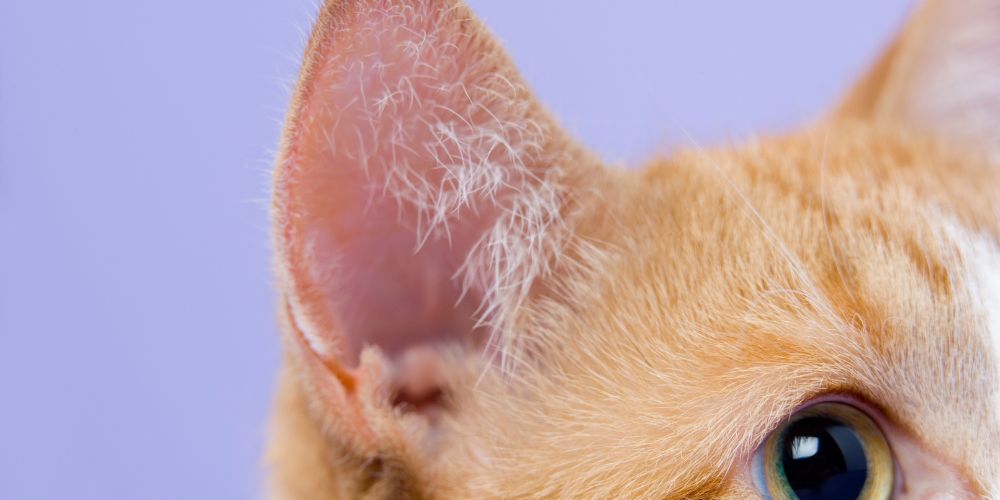
If your cat has suddenly started scratching its ears constantly, shaking its head, or showing irritation around the ears, this blog is for you.
Many cat owners ignore these early signs, thinking it is just normal itching. But in many cases, these symptoms are connected to ear mites, one of the most common ear problems in cats.
Ear mites are tiny parasites that live inside a cat’s ear canal and feed on earwax and oils. They spread quickly and can become painful if not treated early. The good news is that spotting the symptoms in time and starting the right cat ear mites treatment can help your cat recover comfortably before the condition becomes serious.
What Are Ear Mites in Cats?
Ear mites are microscopic parasites that are highly contagious among cats and other pets. They usually stay inside the ear canal and create irritation, inflammation, itching, and dark debris that looks similar to coffee grounds.
Cats who spend time outdoors, live with other pets, or have weak ear hygiene are more likely to develop this problem. Kittens are also more vulnerable because their immune systems are still developing.
The biggest problem with ear mites is that they multiply very quickly. What starts as mild itching can turn into infection, swelling, wounds, and severe discomfort if left untreated.
Early Signs You Should Never Ignore
The earlier you notice the symptoms, the easier the recovery becomes. Some of the most common signs include:
-
Constant ear scratching
-
Frequent head shaking
-
Dark brown or black debris inside the ears
-
Bad smell from the ears
-
Redness or swelling
-
Sensitivity when touching the ears
-
Scabs or scratches around the ear area
Some cats also become irritated, restless, or less active because of the discomfort. If your cat suddenly avoids being touched near the head, ear irritation could be the reason.
Cat Breeds That Commonly Face Ear Problems
While ear mites can affect any cat, some breeds are more prone to ear-related issues because of their fur type, ear structure, or sensitivity.
Persian cats often develop earwax buildup because of their thick fur and grooming challenges.
Maine Coons may collect more dirt and moisture around the ears due to their long hair. Scottish Folds can also face ear problems because of their folded ear structure, which may trap moisture and debris more easily. Sphynx cats, despite having no fur, produce more skin oils that can increase wax buildup inside the ears.
Indoor cats are not completely safe either. Even clean indoor environments can still expose cats to bacteria, allergens, or mites through bedding, toys, or interaction with other pets.
This is why regular ear checking and early cat ear mites treatment are extremely important for every breed.
Why Ear Mites Become Serious If Ignored
Many pet owners wait too long before taking ear problems seriously. Unfortunately, untreated ear mites can lead to:
-
Painful ear infections
-
Swollen ear canals
-
Skin wounds from scratching
-
Hearing issues
-
Secondary bacterial or fungal infections
In difficult situations, constant scratching can even create bleeding around the ears. Cats may become stressed, aggressive, or anxious because of continuous irritation.
That is why early care matters more than aggressive treatment later.
How Jaivi Ear Drops Help in Recovery
When dealing with ear irritation, choosing gentle and effective care becomes important. Jaivi Ayurveda’s ear drops for cats are specially designed to support ear hygiene and comfort naturally.
The herbal formula helps soothe itching, reduce irritation, clean excess buildup, and maintain healthier ears without using harsh chemicals. Regular use may help support early-stage cat ear mite treatment while also improving overall ear cleanliness.
One of the biggest advantages of using Jaivi ear drops is that they focus on gentle care. Many chemical-based ear solutions can sometimes cause dryness or discomfort, especially for sensitive cats. Ayurvedic ingredients work differently by supporting natural healing while being milder on the skin.
Jaivi ear drops are also easy to use as part of a regular ear-cleaning routine, especially for breeds that commonly face ear sensitivity and wax buildup.
Why Ayurveda Is Becoming Popular for Pet Ear Care
Today, many pet owners are moving toward Ayurvedic pet care because they want safer and more natural solutions for their animals.
Ayurveda focuses on balancing and supporting the body naturally instead of using overly harsh ingredients. In pet ear care, herbal ingredients are often preferred because they may help soothe irritation gently while supporting recovery.
Compared to strong chemical treatments, Ayurvedic care is usually considered more suitable for long-term maintenance and sensitive pets. It can also become a better option for regular ear cleaning and preventive care.
For cats that frequently face itching, wax buildup, or mild irritation, herbal support can make daily ear care much more comfortable.
Tips to Prevent Ear Mites in Cats
Preventing ear mites is always easier than treating severe infections later. Here are a few simple habits that help:
-
Check your cat’s ears weekly
-
Keep bedding and grooming tools clean
-
Avoid excessive moisture inside ears
-
Clean ears gently with safe ear solutions
-
Separate infected pets from healthy ones
-
Visit a vet if symptoms continue for long periods
Healthy ear hygiene plays a major role in keeping cats comfortable and irritation-free.
Final Thoughts
Ear mites may look like a small problem in the beginning, but they can quickly become serious if ignored. Watching for early signs like head shaking, black debris, scratching, and irritation can help you start the right cat ear mites treatment before complications develop.
Regular ear care, proper hygiene, and gentle support products like Jaivi Ayurveda ear drops can help maintain healthier ears and improve your cat’s comfort naturally.
Your cat may not be able to explain its discomfort, but small signs often say a lot. Paying attention early can make a huge difference in your pet’s health and happiness.
FAQs
1. What are the first signs of ear mites in cats?
The earliest signs usually include excessive scratching, head shaking, dark ear debris, and irritation around the ears.
2. Can indoor cats get ear mites?
Yes, indoor cats can also develop ear mites through contact with infected pets, bedding, or contaminated items.
3. How often should I clean my cat’s ears?
Most cats benefit from gentle ear checks weekly, while breeds prone to wax buildup may need more regular cleaning.
4. Are herbal ear drops safe for cats?
Herbal ear drops made with pet-safe ingredients are generally considered gentler for regular ear care and sensitive ears.
5. Can ear mites go away without treatment?
No, ear mites usually continue multiplying if untreated and may lead to infections or severe irritation over time.


