

Cart
0
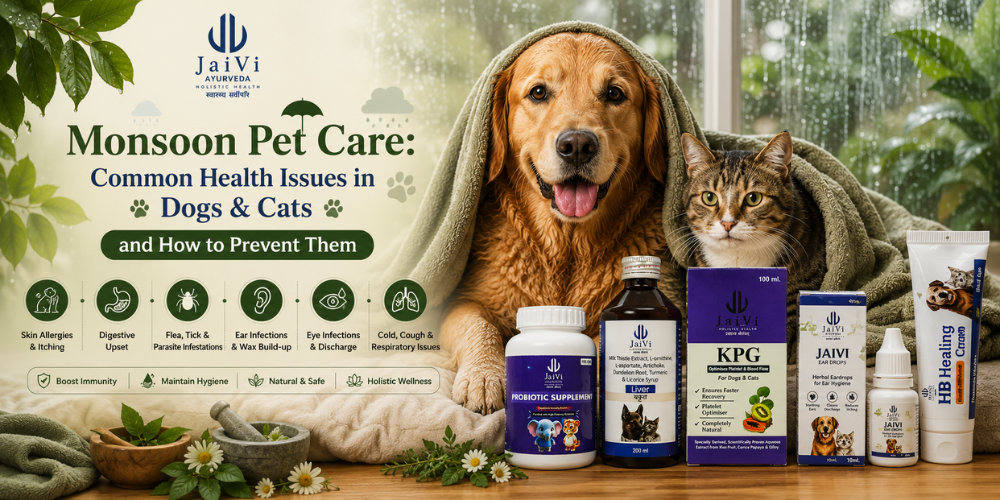
The monsoon season brings cooler weather, greener surroundings, and plenty of opportunities for pets to enjoy the outdoors. But while the rains are refreshing, they also create conditions that can affect your pet's health. Damp fur, muddy walks, standing water, and increased humidity can contribute to skin irritation, ear problems, and digestive upset if proper care isn't taken.
Following the right monsoon pet care tips can help your dog or cat stay healthy throughout the rainy season. From keeping their skin dry to maintaining ear hygiene and supporting digestive health, a few simple habits can go a long way.
In this guide, we'll cover the most common monsoon-related health concerns in pets and practical ways to help prevent them.
Why the Monsoon Season Can Be Challenging for Pets
Rainy weather changes the environment in several ways that can affect your pet's health.
During the monsoon:
-
Humidity stays high, making it difficult for skin and fur to dry completely.
-
Mud and standing water expose pets to dirt and microorganisms.
-
Damp conditions encourage fungal and bacterial growth.
-
Contaminated food or water can upset digestion.
-
Fleas, ticks, and insects become more active.
These factors make pet care during rainy season India especially important, as the country's warm and humid climate creates ideal conditions for seasonal health issues.
1. Skin Problems Become More Common During Monsoon
A wet coat may seem harmless, but moisture trapped close to the skin can sometimes lead to irritation.
Common skin problems include:
-
Minor cuts after outdoor walks
-
Itchy skin
-
Red patches
-
Moist dermatitis (hot spots)
-
Mild fungal overgrowth
-
Skin irritation caused by constant licking
Dogs that enjoy playing outdoors or long-haired cats may be particularly prone to these issues because moisture remains trapped beneath their coat.
Some pet owners also notice an increase in dog skin infection monsoon concerns during extended periods of rainfall, making regular skin checks even more important.
How to Reduce the Risk
You can support healthy skin by:
-
Drying your pet thoroughly after every walk.
-
Cleaning muddy paws immediately.
-
Brushing the coat regularly.
-
Checking hidden areas such as paws, underarms, belly, and skin folds.
-
Keeping bedding clean and dry.
If your pet develops minor abrasions or superficial skin irritation, keeping the affected area clean and providing appropriate topical care can help support the skin's natural healing process.
Jaivi Ayurveda's HB Healing Cream for Dog and HB Healing Cream for Cat are formulated with herbal ingredients to support skin hygiene, soothe minor irritation, and promote healthy skin recovery as part of routine wound care.
2. Ear Problems Increase During Rainy Weather
Moisture doesn't only affect the skin.
Water that remains trapped inside the ear canal after rain or bathing creates an environment where bacteria and yeast may multiply more easily.
Dogs with floppy ears, such as Labradors, Golden Retrievers, and Cocker Spaniels, are particularly susceptible because their ear canals receive less airflow.
Cats generally experience fewer ear problems than dogs, but excessive moisture, poor ear hygiene, or parasites can still lead to irritation.
Many pet owners search for solutions related to pet ear infection rainy season because symptoms often become more noticeable during humid months.
Early Signs of Ear Problems
Watch for:
-
Frequent head shaking
-
Scratching the ears
-
Bad smell from the ears
-
Redness
-
Dark wax build-up
-
Ear sensitivity
Early care is much easier than treating advanced ear conditions.
Keeping Ears Clean
Simple habits can reduce the likelihood of moisture-related ear issues:
-
Dry ears after bathing.
-
Wipe the outer ear gently if it becomes wet.
-
Avoid allowing water to enter the ear canal during baths.
-
Inspect ears weekly for wax or irritation.
Jaivi Ayurveda's Ear Drops for Dogs and Ear Drops for Cats are designed to support regular ear hygiene, helping maintain clean ears and remove excess wax and debris as part of routine care.
3. Digestive Problems During the Monsoon
Rainy weather doesn't only affect the skin and ears.
Changes in food storage, contaminated water, reduced activity, and accidental consumption of dirty water during walks can sometimes upset your pet's digestive system.
Common digestive problems include:
-
Loose stools
-
Mild diarrhoea
-
Reduced appetite
-
Gas
-
Temporary digestive discomfort
Young pets, senior pets, and those with sensitive stomachs may be affected more easily.
Supporting Gut Health
Healthy digestion begins with:
-
Fresh drinking water
-
Clean feeding bowls
-
Proper food storage
-
Avoiding spoiled food
-
Consistent feeding schedules
Many pet owners also include probiotics in their pet's routine after discussing them with their veterinarian.
Jaivi Ayurveda's Probiotic Supplement for Dog and Probiotic Supplement for Cat are formulated to support digestive health, maintain gut balance, and promote healthy digestion as part of everyday nutritional care.
4. Keep Your Home Dry and Hygienic
Your home environment also plays an important role in your pet's health during the rainy season.
Remember to:
-
Wash bedding regularly.
-
Dry blankets completely before use.
-
Clean food bowls daily.
-
Prevent mould growth indoors.
-
Keep litter boxes clean and dry.
-
Ensure good ventilation.
A clean environment reduces exposure to moisture-related problems.
5. Watch for Parasites
The rainy season often brings an increase in fleas, ticks, and mosquitoes.
These parasites may contribute to:
-
Skin irritation
-
Excessive scratching
-
Secondary skin problems
-
Ear irritation
Use veterinarian-recommended parasite prevention throughout the monsoon rather than waiting until problems appear.
6. Grooming Matters Even More
Proper grooming helps remove trapped moisture and allows you to spot skin problems early.
Good grooming habits include:
-
Brushing the coat regularly
-
Trimming excessive hair around paws
-
Keeping nails short
-
Cleaning ears routinely
-
Checking between the toes
-
Removing burrs or debris after walks
Regular grooming also makes veterinary examinations easier if problems arise.
7. Exercise Safely During the Rain
Dogs still need physical activity, but rainy weather requires a few adjustments.
Choose shorter walks during heavy rain and avoid areas with stagnant water whenever possible.
After every walk:
-
Dry paws thoroughly.
-
Wipe the belly and legs.
-
Inspect for cuts.
-
Remove mud from the coat.
Indoor enrichment games can also help maintain activity when outdoor walks are limited.
Monsoon Pet Care Checklist
Use this simple checklist throughout the rainy season:
-
Dry your pet after every walk or bath.
-
Check ears once a week.
-
Keep bedding clean and dry.
-
Wash food and water bowls daily.
-
Store pet food properly.
-
Maintain parasite prevention.
-
Inspect paws after outdoor activities.
-
Groom regularly.
-
Ensure access to fresh, clean drinking water.
-
Contact your veterinarian if symptoms worsen or persist.
-
These small habits often prevent larger health problems later.
When Should You Visit the Veterinarian?
While many minor concerns can be managed with proper hygiene and supportive care, veterinary attention is necessary if your pet develops:
-
Deep wounds
-
Persistent vomiting or diarrhoea
-
Severe ear pain
-
Thick ear discharge
-
Large skin lesions
-
High fever
-
Loss of appetite lasting more than a day
-
Difficulty walking
-
Extreme lethargy
Prompt diagnosis helps ensure your pet receives the right treatment before conditions become more serious.
Final Thoughts
The rainy season doesn't have to mean frequent health problems for your pet. With good hygiene, regular grooming, proper nutrition, and routine preventive care, most common monsoon-related issues can be reduced or identified early.
Following practical monsoon pet care tips allows you to enjoy the season while helping your dog or cat stay healthy and comfortable. Whether it's keeping ears clean, caring for minor skin irritation, or supporting digestive health, small daily habits make a lasting difference.
Jaivi Ayurveda's range of Ear Drops, HB Healing Creams, and Probiotic Supplements for dogs and cats are thoughtfully formulated to support everyday wellness and hygiene as part of a complete monsoon care routine.
FAQs
1. Why do pets develop more skin problems during the monsoon?
High humidity, damp fur, muddy environments, and increased exposure to bacteria and fungi can all contribute to skin irritation during the rainy season.
2. How often should I clean my pet's ears during the monsoon?
The ideal frequency depends on your pet's breed and lifestyle. Dogs that swim or have floppy ears may benefit from more regular ear cleaning. Follow your veterinarian's advice or the product instructions.
3. Can probiotics help during the rainy season?
Probiotics are commonly used to support healthy digestion and maintain gut balance, especially when digestive upset occurs due to dietary changes or environmental factors. Consult your veterinarian before starting any supplement.
4. Is it safe to walk my dog in the rain?
Yes, but avoid stagnant water, muddy areas, and prolonged exposure to wet conditions. Always dry your dog thoroughly after returning home.
5. Should I bathe my pet more often during the monsoon?
Not necessarily. Overbathing may dry out the skin. Instead, wipe your pet clean after walks and bathe only as needed using pet-safe grooming products.
6. How can I tell if my pet's ear problem needs veterinary care?
If you notice persistent head shaking, foul-smelling discharge, swelling, bleeding, severe pain, or balance problems, your pet should be examined by a veterinarian promptly.
7. Can I use HB Healing Cream on every skin wound?
The cream is intended for the supportive care of minor cuts, abrasions, and skin irritation. Deep wounds, bite injuries, or infected wounds require veterinary evaluation.
8. What's the best daily routine for keeping my pet healthy during the monsoon?
Dry your pet after walks, maintain ear hygiene, inspect the skin regularly, provide clean drinking water, feed a balanced diet, keep bedding dry, and continue routine parasite prevention.


