

Cart
0
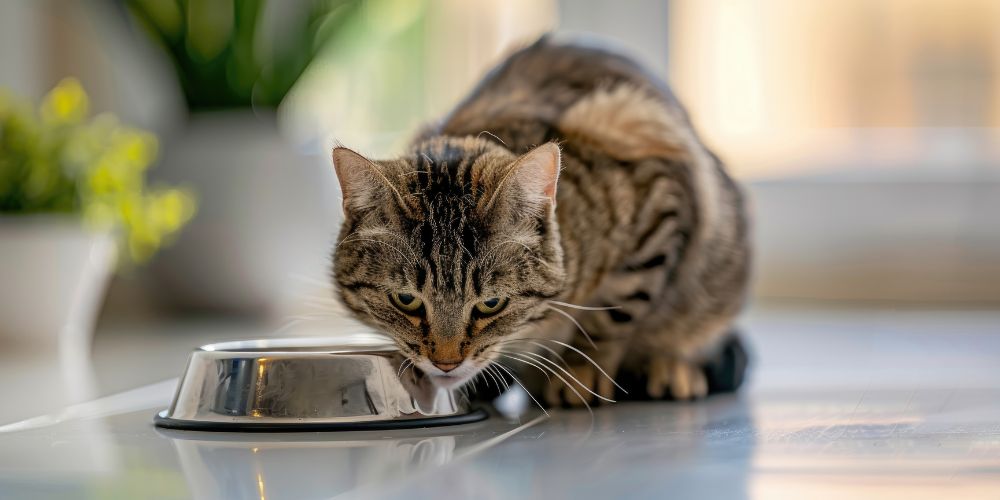
Learning that your cat has kidney disease can feel overwhelming. One of the first questions most pet parents ask is: "What should I feed my cat with kidney disease?" Since nutrition plays a major role in managing Chronic Kidney Disease (CKD), making the right dietary choices can help support your cat's comfort, hydration, and overall quality of life.
The good news is that many cats with kidney disease continue to live happy lives for years with proper veterinary care, dietary adjustments, and ongoing monitoring. In this guide, we'll explain what to feed a cat with kidney disease, foods to avoid, and practical tips to encourage eating in cats with reduced appetites.
Why Diet Matters for Cats With Kidney Disease
The kidneys are responsible for filtering waste products from the blood, maintaining hydration balance, regulating blood pressure, and managing essential minerals such as phosphorus and sodium.
When kidney function declines, these processes become less efficient. As a result, waste products can build up in the bloodstream, often leading to symptoms such as nausea, reduced appetite, increased thirst, and weight loss.
A carefully planned kidney-friendly diet aims to:
- Reduce the workload on the kidneys
- Help manage phosphorus levels
- Support healthy hydration
- Maintain muscle mass and body condition
- Improve appetite and quality of life
If your cat has shown some of the early signs of kidney disease in cats, dietary management often becomes one of the most important parts of their care plan.
What Should Cats With Kidney Disease Eat?
1. Prescription Renal Diets Are the Gold Standard
Veterinarians commonly recommend therapeutic kidney diets specifically formulated for cats with CKD. These diets are designed to support kidney function while providing balanced nutrition.
Popular prescription renal diets include:
- Hill's Prescription Diet k/d
- Royal Canin Renal Support
- Purina Pro Plan Veterinary Diets NF Kidney Function
- Blue Buffalo Natural Veterinary Diet KS
These diets are typically formulated with:
- Reduced phosphorus levels
- Controlled sodium content
- High-quality, highly digestible protein
- Increased omega-3 fatty acids
- Added vitamins and antioxidants
Many studies have shown that therapeutic renal diets can help support cats with chronic kidney disease and may contribute to improved quality of life.
Always transition gradually to prescription diets under veterinary guidance.
2. Wet Food Is Often Better Than Dry Food
Hydration is one of the biggest challenges for cats with kidney disease.
Because affected kidneys struggle to concentrate urine effectively, cats with CKD often lose more water through urination. Feeding wet food helps increase moisture intake naturally.
Benefits of wet food include:
- Higher water content
- Improved hydration support
- Easier consumption for some cats
- Often more appealing for picky eaters
Many cat owners in feline kidney disease communities also report better success with wet renal diets compared to dry kibble alone.
However, if your cat strongly prefers dry food, discuss options with your veterinarian. The most important goal is ensuring your cat continues eating consistently.
3. Focus on High-Quality, Controlled Protein
One common misconception is that cats with kidney disease should eat extremely low-protein diets.
In reality, cats still require adequate protein to maintain muscle mass and overall health. The goal is not eliminating protein but choosing moderate amounts of highly digestible, high-quality protein.
Kidney-supportive diets are carefully balanced to provide:
- Sufficient protein for nutritional needs
- Reduced waste product production
- Better digestibility
Avoid making significant protein changes without veterinary supervision.
4. Choose Foods Lower in Phosphorus
Managing phosphorus intake is a key component of kidney disease nutrition.
Elevated phosphorus levels can worsen kidney damage and contribute to disease progression. Therapeutic renal diets are specifically formulated with restricted phosphorus content.
Your veterinarian may also recommend phosphorus binders if blood phosphorus levels remain elevated despite dietary management.
Foods to Avoid if Your Cat Has Kidney Disease
While knowing what to feed is important, understanding what to avoid is equally valuable.
Avoid High-Phosphorus Foods
Examples include:
- Organ meats (liver, kidney)
- Large amounts of fish-based diets
- Certain high-phosphorus treats
Avoid Salty Human Foods
Excess sodium can contribute to dehydration and may affect blood pressure.
Avoid foods such as:
- Processed meats
- Chips and salty snacks
- Seasoned table scraps
Avoid Unbalanced Homemade Diets
Homemade diets may seem appealing, but generic online recipes can create serious nutritional deficiencies.
If considering home-prepared meals, consult a veterinary nutritionist.
Avoid Sudden Dietary Changes
Cats are sensitive to abrupt food changes. Rapid transitions may reduce appetite and increase food refusal.
Introduce new diets gradually over 7–10 days whenever possible.
What If My Cat Refuses Kidney Food?
This is one of the most common concerns among cat owners.
Cats with CKD often experience nausea and appetite fluctuations, making dietary transitions challenging.
Veterinarians and experienced pet owners recommend several strategies:
Warm the Food Slightly
Warming wet food can enhance aroma and improve palatability.
Offer Small, Frequent Meals
Multiple smaller meals throughout the day may feel less overwhelming.
Experiment With Different Textures
Some cats prefer:
- Pâté styles
- Gravy formulations
- Stews
- Mousse-like consistencies
Add Extra Water
Mixing water into wet food may increase hydration while softening the texture.
Transition Slowly
Mix increasing amounts of renal food with your cat's existing diet over time.
Remember: Fed Is Best
One important message consistently emphasized by veterinary professionals and feline kidney disease communities is:
A cat that eats is better than a cat that refuses food entirely.
If your cat completely refuses prescription diets, discuss alternative nutritional strategies with your veterinarian.
Can Homemade Diets Help Cats With Kidney Disease?
Homemade diets may work for certain cats, but they should only be formulated under professional guidance.
Proper kidney-supportive homemade diets require careful balancing of:
- Protein levels
- Phosphorus content
- Calcium-to-phosphorus ratios
- Essential vitamins and minerals
- Omega-3 fatty acids
Using random internet recipes can unintentionally worsen nutritional imbalances.
If you're interested in preparing meals at home, ask your veterinarian for a referral to a board-certified veterinary nutritionist.
Hydration Tips for Cats With Kidney Disease
Supporting hydration goes beyond simply offering water.
Helpful strategies include:
Provide Multiple Water Sources
Place water bowls throughout your home.
Try a Cat Water Fountain
Many cats prefer running water and may drink more from fountains.
Feed Primarily Wet Food
Wet diets naturally contribute to fluid intake.
Discuss Fluid Therapy With Your Veterinarian
Some cats benefit from subcutaneous fluid administration under veterinary supervision.
Proper hydration supports kidney function and overall wellbeing.
Can Supplements Support Cats With Kidney Disease?
Nutritional supplements may provide additional support when used alongside veterinary care and dietary management.
Some kidney support supplements are formulated to help maintain:
- Mineral balance
- Healthy kidney function
- Blood pressure support
- Digestive comfort
- Overall vitality
JaiVi Kidney Supplement for Cats is an Ayurvedic formulation designed to provide nutritional support for cats experiencing kidney stress. Made with ingredients such as Astragalus Membranaceus and supportive minerals, it aims to complement a veterinarian-recommended kidney care plan.
When considering a kidney support supplement for cats, always consult your veterinarian to determine whether it fits your cat's individual health needs.
Nutritional recommendations and supportive care approaches may also vary depending on the cat kidney disease stages and laboratory findings.
Additional Tips for Managing Kidney Disease in Cats
Beyond diet, several lifestyle practices may help support your cat:
- Schedule regular veterinary check-ups
- Monitor body weight consistently
- Track water intake and litter box habits
- Minimize unnecessary stress
- Administer medications exactly as prescribed
- Encourage gentle activity appropriate for your cat's energy level
Consistent monitoring allows adjustments to be made as your cat's needs evolve.
Frequently Asked Questions
1. What should cats with kidney disease avoid?
Cats with kidney disease should generally avoid high-phosphorus foods, salty human foods, excessive treats, and unbalanced homemade diets. Always follow your veterinarian's dietary recommendations.
2. Is wet food better for cats with kidney disease?
Wet food is often preferred because it provides additional hydration, which is especially important for cats with chronic kidney disease.
3. Can cats with kidney disease eat normal cat food?
Some cats may temporarily require regular food if they refuse prescription diets. However, therapeutic kidney diets are generally recommended because they are specifically formulated to support kidney health.
4. What protein is best for cats with kidney disease?
Moderate amounts of highly digestible, high-quality protein are usually recommended. Your veterinarian can help determine the most appropriate dietary approach.
5. How often should cats with kidney disease eat?
Many cats benefit from several smaller meals throughout the day, especially if nausea or appetite fluctuations are present.
6. Can homemade diets help cats with CKD?
Homemade diets can be used in certain cases but should only be developed with guidance from a veterinary nutritionist to ensure complete and balanced nutrition.
7. Should I give supplements to my cat with kidney disease?
Some supplements may provide supportive nutritional benefits. Always discuss supplements with your veterinarian before introducing them into your cat's routine.
8. How can I encourage my cat with kidney disease to eat?
Warming food, offering wet formulations, rotating textures, providing smaller meals, and addressing nausea with veterinary guidance may help improve appetite.
Final Thoughts
Understanding what to feed a cat with kidney disease is one of the most important steps in supporting your cat after a CKD diagnosis. Therapeutic renal diets, adequate hydration, controlled phosphorus intake, and consistent veterinary monitoring all play vital roles in kidney care.
Every cat is different. Some readily accept prescription diets, while others require a more individualized approach to maintain adequate nutrition.
Working closely with your veterinarian allows you to develop a feeding plan tailored to your cat's specific needs. Alongside proper nutrition and regular monitoring, supportive options such as a kidney support supplement for cats may also help promote overall wellbeing.
With early intervention, thoughtful dietary management, and ongoing care, many cats with kidney disease continue to enjoy a comfortable and fulfilling life for years after diagnosis.


