

Cart
0
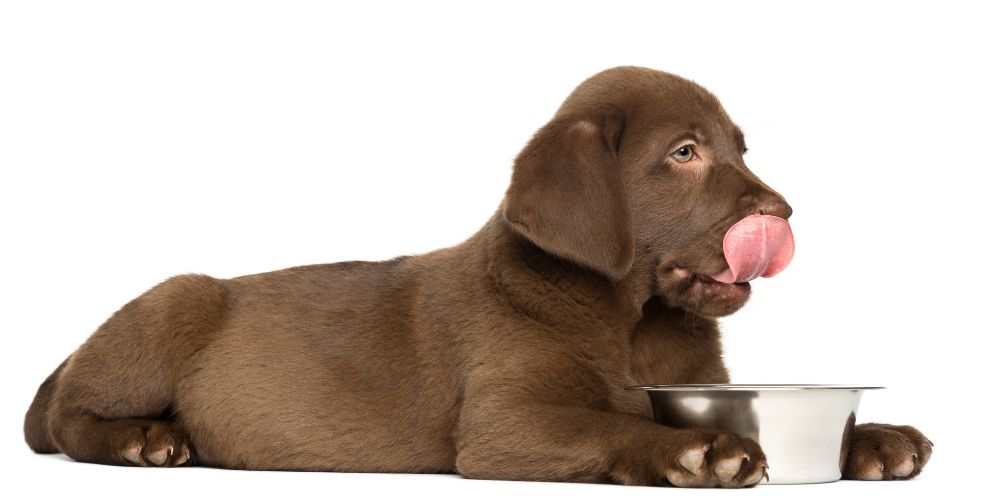
Many pet parents only realize something was wrong after their dog's blood work showed liver abnormalities.
Looking back, the signs were often there all along.
Maybe your dog started leaving food in the bowl when they had always been excited about mealtime. Perhaps they seemed a little less energetic, drank more water than usual, or had occasional stomach upset that you brushed off as something minor.
The challenge with liver problems in dogs is that the liver is incredibly resilient. It can continue functioning even when under stress, which means symptoms are often subtle at first. Because of this, liver disease is sometimes referred to as a "silent" condition.
Recognizing the early warning signs can help you seek veterinary advice sooner and support your dog's overall health before problems progress.
Why Is the Liver So Important for Dogs?
The liver is one of the hardest-working organs in your dog's body. It performs hundreds of essential functions, including:
- Filtering toxins from the bloodstream
- Producing bile to aid digestion
- Processing nutrients from food
- Supporting metabolism and energy production
- Storing vitamins and minerals
- Helping regulate blood clotting
When liver function becomes compromised, these processes can be affected, leading to a wide range of symptoms.
1. Loss of Appetite or Suddenly Becoming a "Picky Eater"
One of the earliest signs many pet owners notice is a change in eating habits.
On Reddit and pet forums, owners frequently describe their dogs as becoming "picky" before receiving a liver-related diagnosis. A dog that previously finished every meal may suddenly:
- Leave food untouched
- Eat smaller portions
- Show less excitement around mealtimes
- Skip meals occasionally
Because the liver plays a major role in digestion and metabolism, liver dysfunction can affect appetite and make dogs feel nauseous or uninterested in food.
While occasional appetite changes aren't always serious, persistent loss of appetite should be discussed with your veterinarian.
2. Increased Thirst and More Frequent Urination
Another commonly reported early symptom is drinking more water than usual.
You may notice your dog:
- Emptying their water bowl faster
- Asking to go outside more often
- Having accidents indoors despite being house-trained
- Waking up during the night to urinate
Increased thirst and urination can occur with several health conditions, including liver disease. Since these signs can also indicate diabetes, kidney disease, or hormonal disorders, veterinary evaluation is important.
3. Vomiting or Recurring Digestive Upset
Many pet parents initially assume that occasional vomiting or diarrhea is related to dietary indiscretion or a sensitive stomach.
However, ongoing digestive issues may sometimes signal an underlying liver problem.
Signs to watch for include:
- Intermittent vomiting
- Diarrhea that comes and goes
- Upset stomach after meals
- Increased gas or bloating
- Changes in stool consistency
Because the liver helps process nutrients and supports digestive function, liver disease can sometimes contribute to gastrointestinal symptoms.
If digestive issues persist for more than a few days or occur repeatedly, it's worth discussing them with your veterinarian.
4. Low Energy Levels and Lethargy
Many dog owners describe this symptom as:
"I thought my dog was just slowing down because of age."
While aging naturally brings some changes, significant reductions in energy shouldn't be ignored.
Your dog may:
- Sleep more than usual
- Show less interest in walks
- Tire more quickly during play
- Seem reluctant to exercise
- Appear generally "not themselves"
When the liver isn't functioning optimally, the body may struggle to process nutrients efficiently, which can contribute to fatigue and decreased stamina.
5. Unexplained Weight Loss
Weight loss that occurs without changes to diet or exercise deserves attention.
This may happen because:
- Dogs eat less due to reduced appetite
- Nutrient processing becomes less efficient
- Underlying illness affects metabolism
Some owners don't notice gradual weight loss immediately, especially in long-haired breeds.
Monitoring your dog's body condition regularly and scheduling routine veterinary check-ups can help identify changes early.
6. Yellowing of the Eyes, Gums, or Skin (Jaundice)
Jaundice is one of the more obvious signs that something may be affecting your dog's liver.
This occurs when bilirubin, a yellow pigment normally processed by the liver, builds up in the body.
Signs include:
- Yellow tint in the whites of the eyes
- Yellow gums
- Yellowing inside the ears
- Yellow discoloration of the skin
Unlike some early symptoms, jaundice should never be ignored.
If you notice yellowing anywhere on your dog's body, contact your veterinarian promptly.
7. Confusion, Disorientation, or Strange Behaviors
In advanced cases, liver dysfunction may affect the nervous system.
This condition, called hepatic encephalopathy, occurs when toxins that would normally be filtered by the liver begin affecting brain function.
Symptoms may include:
- Staring into space
- Walking in circles
- Appearing confused or disoriented
- Pressing their head against walls or furniture
- Sudden behavior changes
- Unsteady walking
- Seizures in severe cases
These signs require immediate veterinary attention.
Other Signs That May Indicate Liver Problems
Some dogs may also experience:
- Abdominal swelling or bloating
- Dark orange or brown urine
- Pale-colored stools
- Excessive drooling
- Bad breath
- Easy bruising or bleeding problems
These symptoms don't always mean liver disease is present, but they should be evaluated by a veterinarian.
How Are Liver Problems Diagnosed in Dogs?
Because many early symptoms overlap with other conditions, veterinary testing is often necessary.
Your veterinarian may recommend:
Blood Tests
Blood work can evaluate liver enzymes and overall liver function.
If abnormalities are found, your vet may discuss what elevated liver enzymes in dogs mean and whether further testing is needed.
Imaging Studies
Ultrasound or X-rays may help assess liver size and identify structural changes.
Additional Diagnostic Testing
Depending on the situation, your veterinarian may recommend bile acid testing, clotting profiles, or additional evaluations.
Early diagnosis often allows for more treatment and management options.
Can Liver Health Be Supported Naturally?
Supportive care depends entirely on the underlying cause of liver dysfunction.
Alongside veterinary guidance, some dogs may benefit from:
- Nutritional adjustments
- Regular monitoring
- Weight management
- Liver support supplements containing ingredients such as:
- Milk Thistle (Silymarin)
- Choline
- Antioxidants
- B-complex vitamins
These ingredients are often used in canine liver support supplements designed to help maintain normal liver function and overall wellness.
Always consult your veterinarian before introducing any new supplement, especially if your dog is receiving medications or has an existing medical condition.
When Should You Contact Your Veterinarian Immediately?
Seek veterinary care promptly if your dog experiences:
- Yellow eyes or gums
- Persistent vomiting
- Severe lethargy
- Refusal to eat for more than 24 hours
- Abdominal swelling
- Confusion or disorientation
- Head pressing
- Collapse or seizures
These symptoms may indicate a more serious condition requiring immediate attention.
Frequently Asked Questions
1. What are the first signs of liver problems in dogs?
Early signs often include reduced appetite, increased thirst, digestive upset, lethargy, and unexplained weight loss.
2. Can liver disease in dogs be mistaken for aging?
Yes. Many symptoms, such as decreased energy and appetite changes, can initially appear similar to normal aging.
3. Are liver problems in dogs treatable?
Treatment depends on the underlying cause. Early diagnosis often improves management options and outcomes.
4. What causes liver problems in dogs?
Potential causes include infections, toxins, medications, inflammation, genetic conditions, and age-related changes.
5. Do all dogs with liver problems develop jaundice?
No. Jaundice typically appears in more advanced cases, while many early symptoms are much more subtle.
Final Thoughts
Liver problems in dogs don't always announce themselves with dramatic symptoms.
Sometimes, the earliest clues are easy to dismiss: a little less enthusiasm at mealtime, sleeping more than usual, or occasional stomach upset.
Trust your instincts if something feels different about your dog's behavior or health. Early veterinary evaluation can provide answers, rule out serious conditions, and help ensure your dog receives the support they need.
Paying attention to these subtle warning signs may make a meaningful difference in your dog's long-term wellbeing.


